Ps103 Life
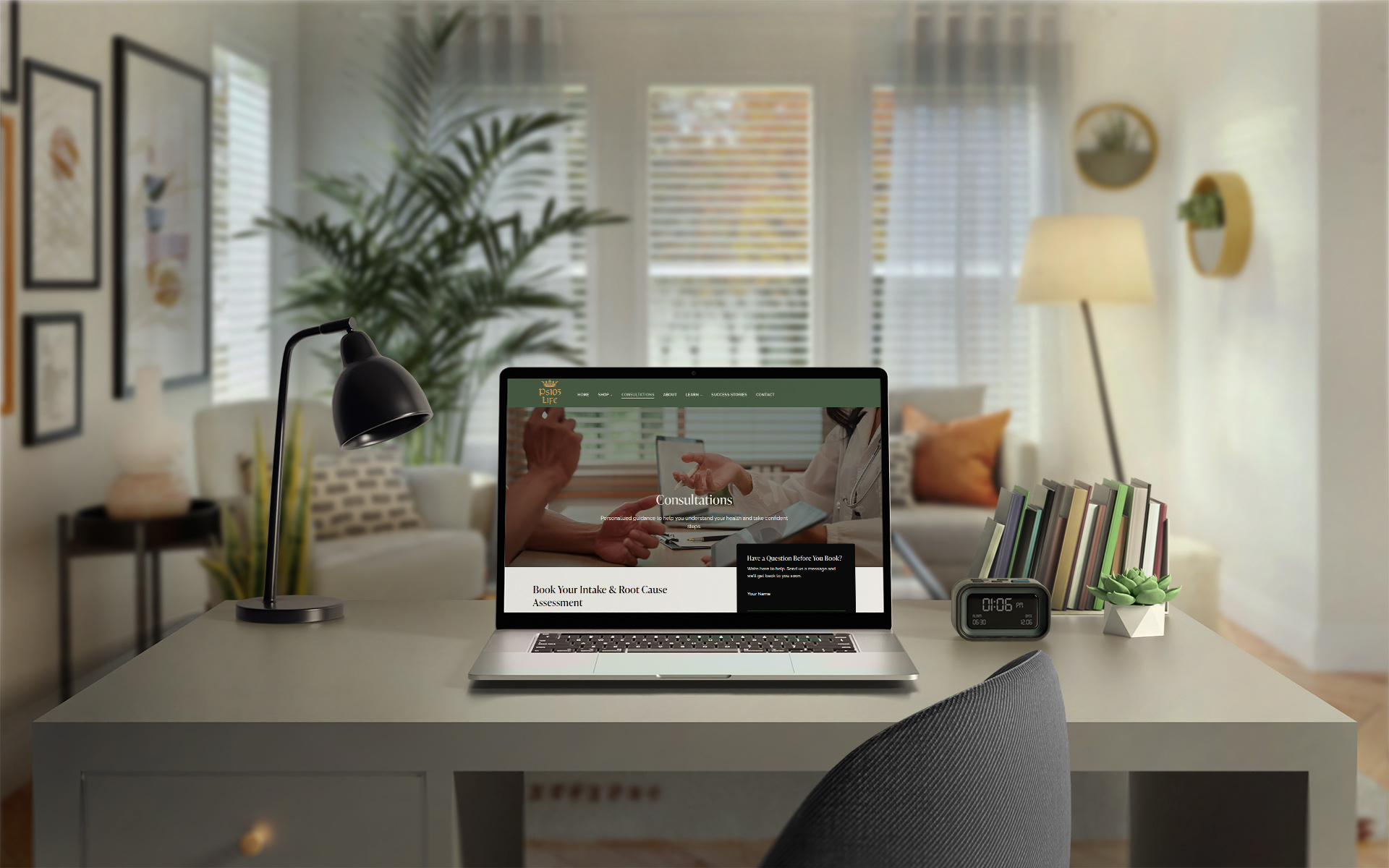
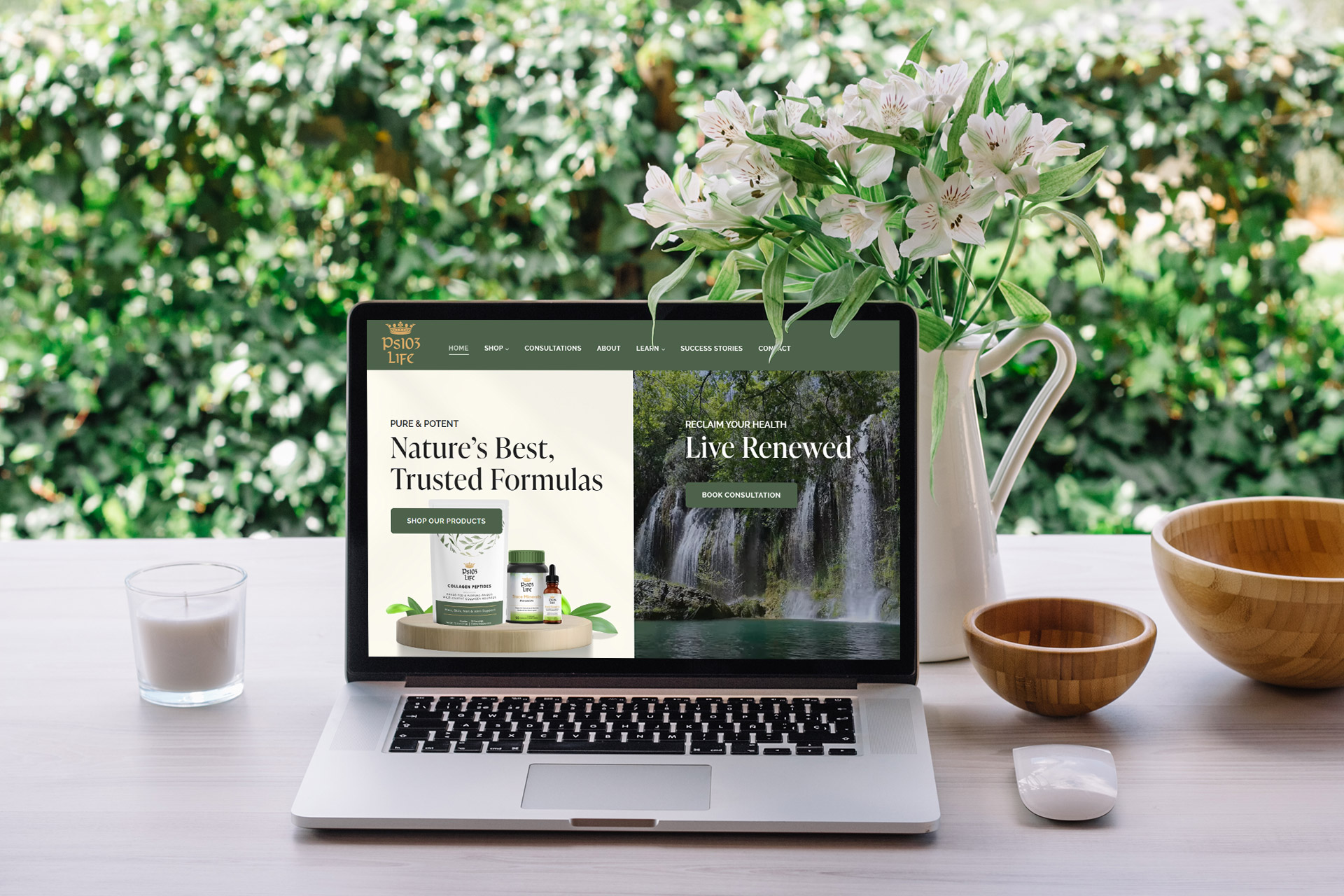
Ps103 Life is a health & wellness ecommerce website.
UI/UX Design + Branding & Product Design + Accessibility Design + Web Development + ecommerce design + Content Strategy & writing
Insights
Overview
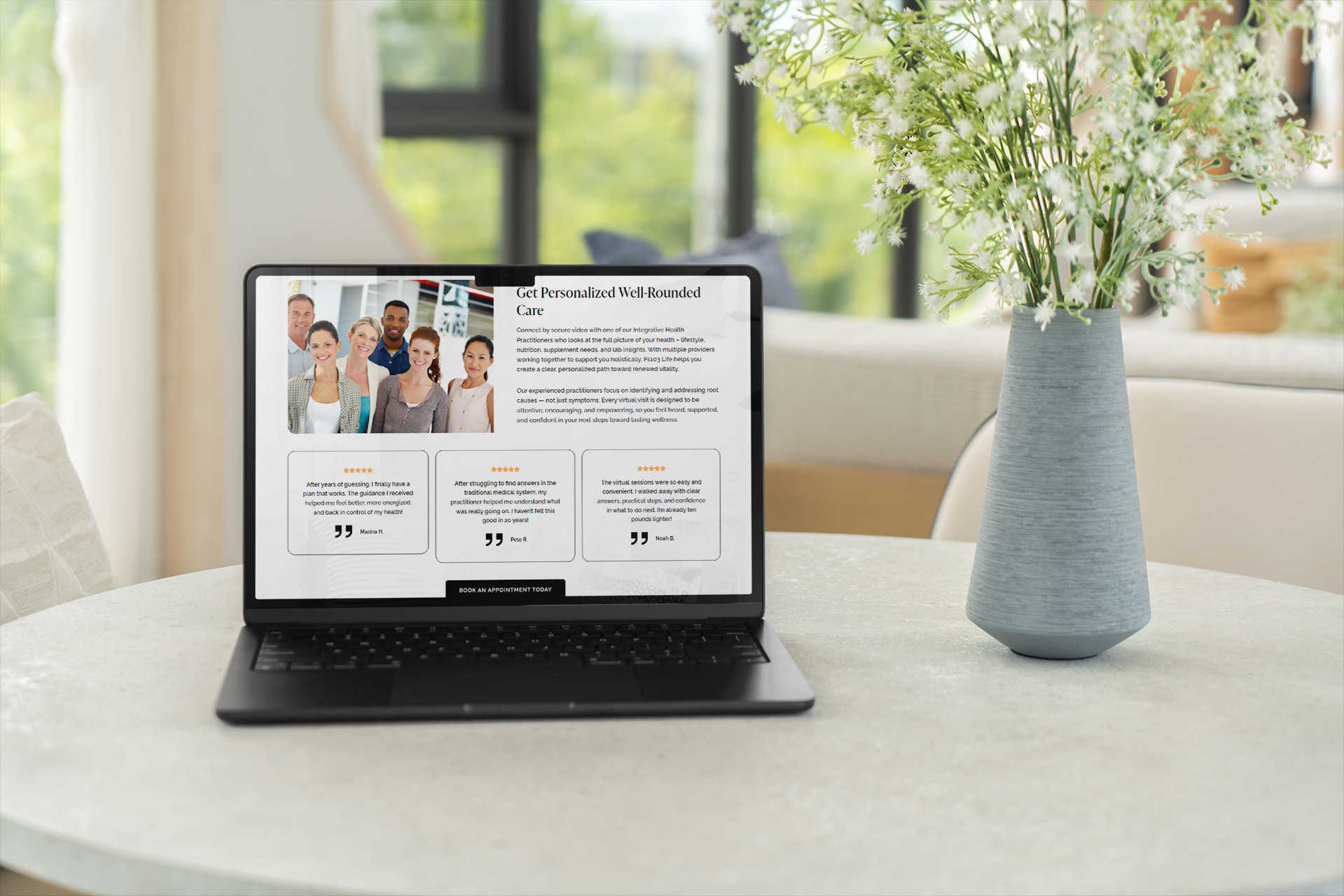
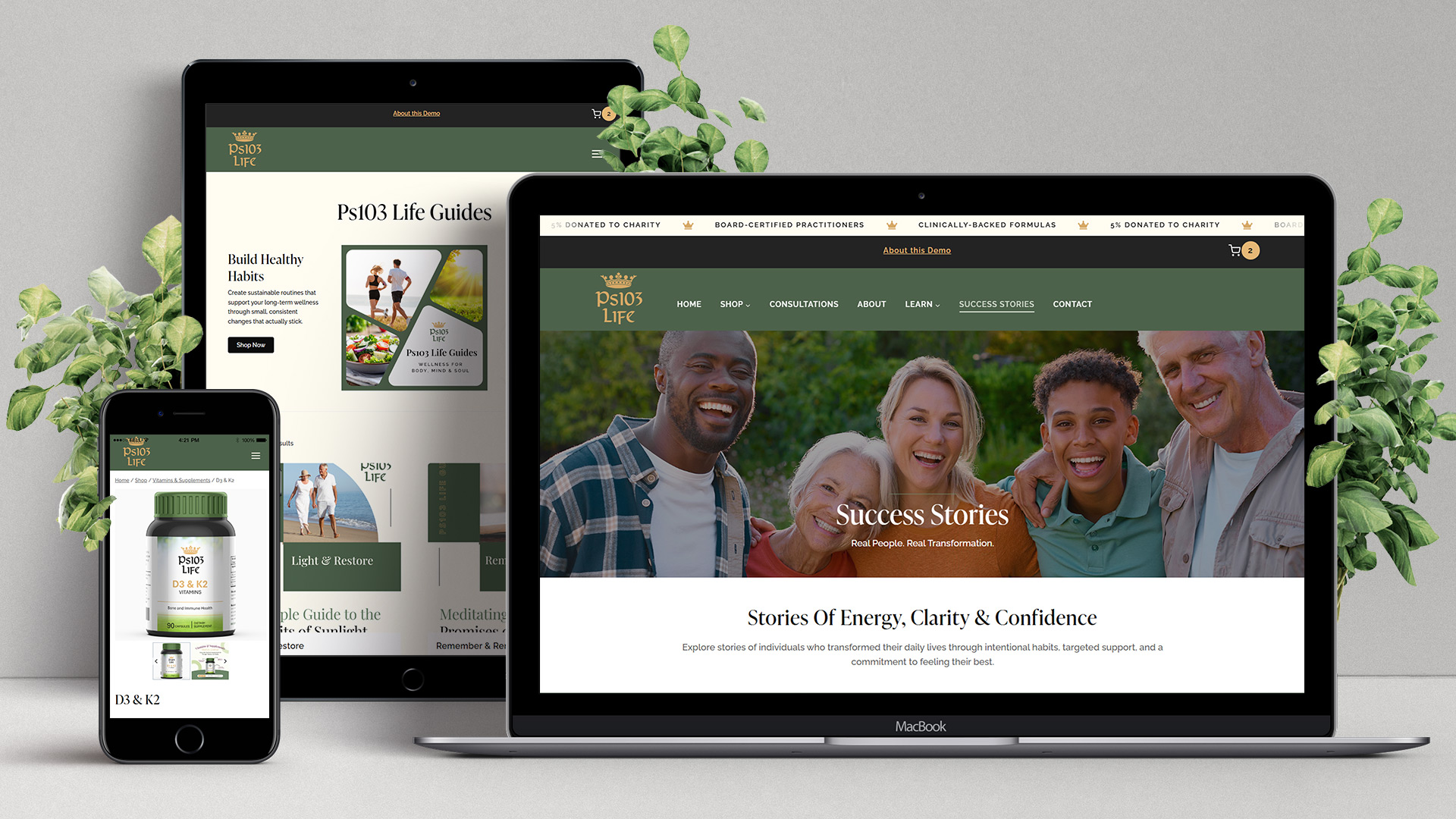
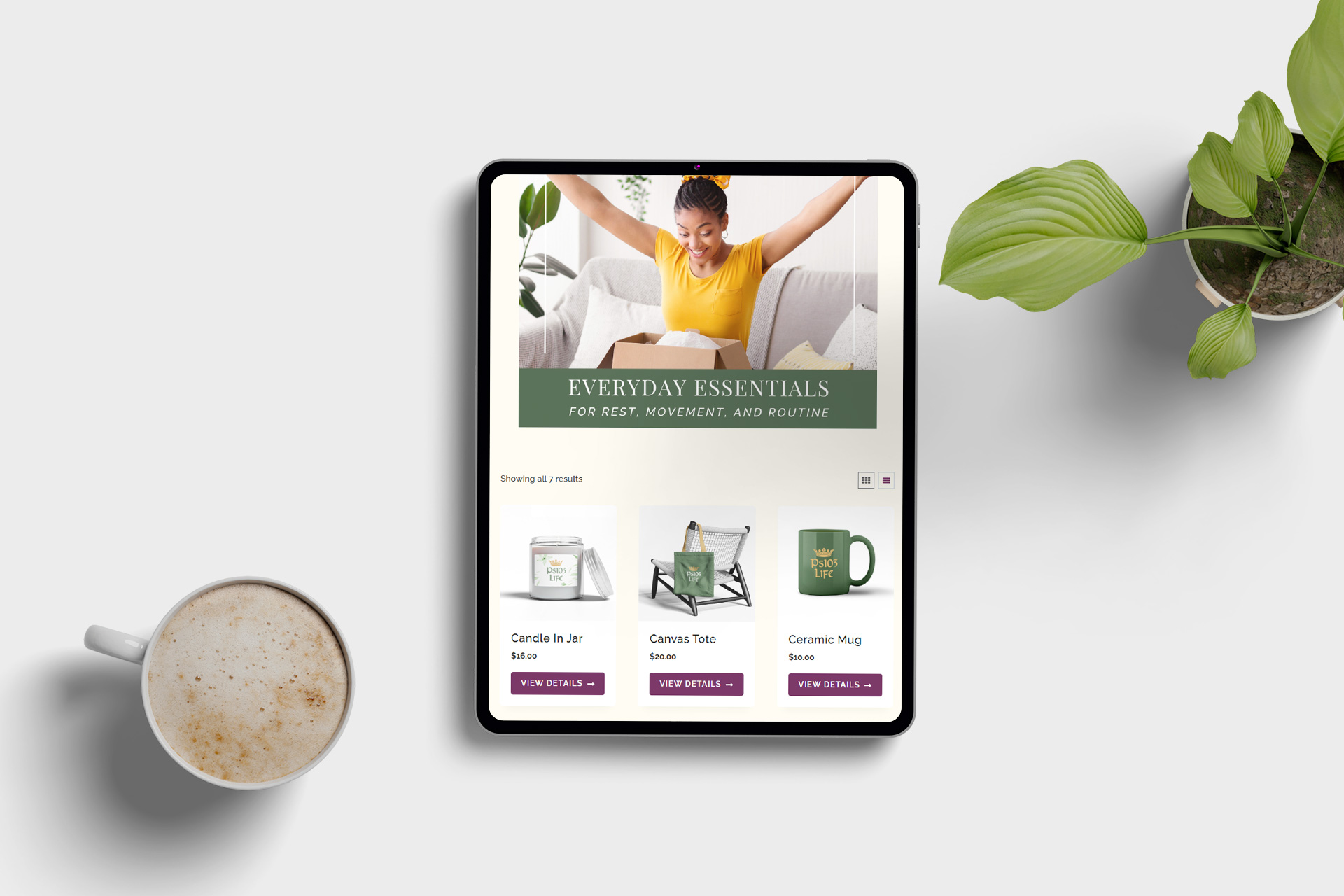
Ps103 Life is a fictitious holistic health and wellness brand built from the ground up to show what a real ecommerce wellness business looks and feels like — from the homepage to online store, telehealth consultation booking, a health topic learning hub, and client success stories — while staying transparent with visitors that it’s a demo.
The project was self-directed, with no client deadlines or creative brief. That freedom made space for a depth of design and functionality that a typical project rarely allows — and it intentionally puts the full range of skills a potential client would be hiring on display.
Branding
The name Ps103 Life is rooted in Psalm 103:1-5 – God’s promises of restoration, healing, and vitality. The brand identity was built around that same idea, blending the power of natural solutions with the promise of renewal. The result is a visual language that feels natural and earthy, yet clean and modern.
Logo, Color Palette and Fonts


Project PHases
Skills & Tools Used
Logo & Brand Design
UI/UX Design
Content Strategy & Writing
WordPress + Kadence Pro
WooCommerce + ShopKit
Photoshop & Illustrator
Graphic Design
Responsive Design & CSS
Accessibility Design
Axe DevTools & WAVE
Canva & SnagIt
WPCode & Rank Math SEO
Key Challenges & How They Were Solved
1
Creating a cohesive product line from scratch
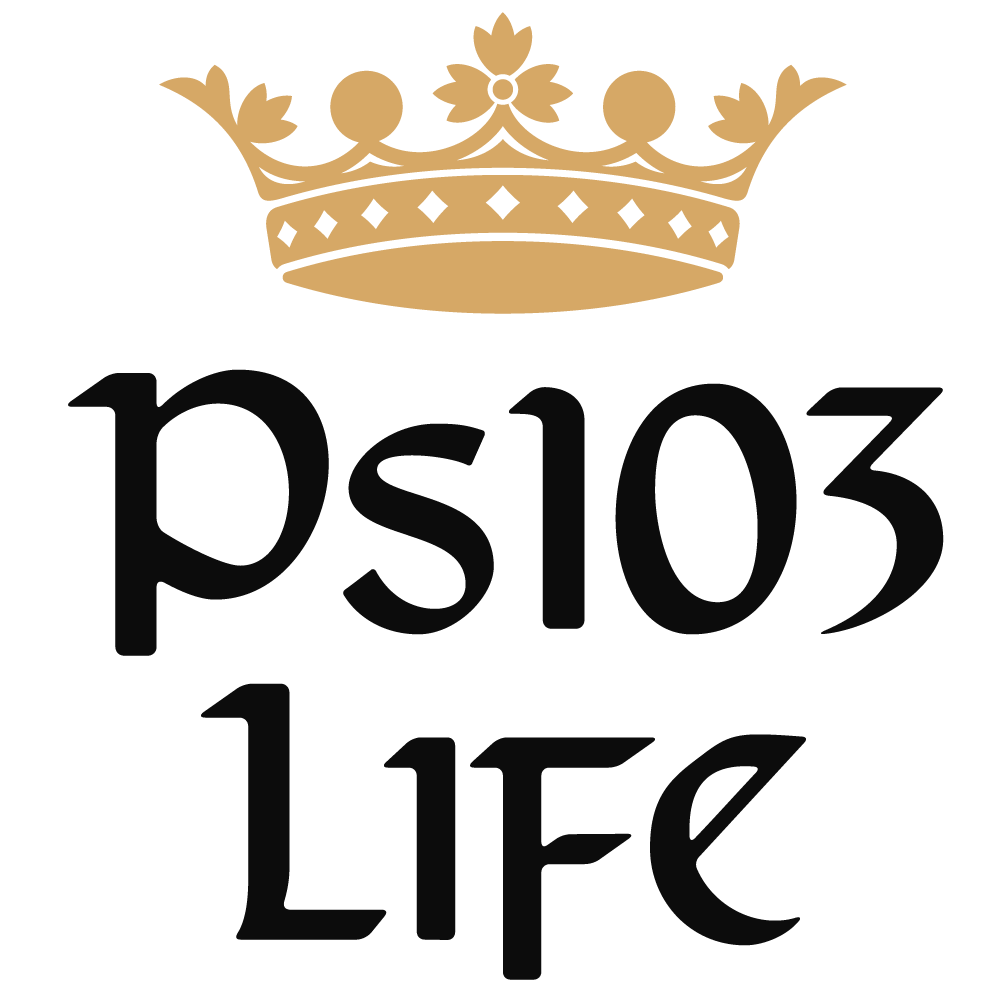
Designing nearly 30 products that look like they belong to the same brand – across vitamin bottles, dropper bottles and powder pouches – required developing a consistent label system, and then carefully placing each label onto realistic mockups. The goal was to make every product look authentic, cohesive and shelf-worthy.
2
Fixing accessibility issues and passing WCAG 2.1 AA
Most accessibility issues were straightforward to resolve, but several required complex Javascript or PHP fixes tied to Kadence’s own code. The Kadence Support team was responsive and helpful, providing code fixes and escalating a few issues to their development team as product improvements. For the remaining issues, a combination of front-end coding skills and ChatGPT helped work through the solutions.
Achieving a passing WCAG 2.1 AA result on a complex ecommerce site was a significant accomplishment.
3
Communicating “this is a demo” without diminishing the experience
The solution was two-layered: a dismissible store notice for immediate context, paired with an engaging modal accessible site-wide via an unobtrusive “About this Demo” link. Visitors can explore naturally while always having access to the full explanation.
4
Learning how to Use Kadence Hooked Elements
Moving beyond basic navigation meant learning how to design and implement fully functional, visually striking mega menus for the Shop and Learn links using Kadence Hooked Elements. The solution came through iterative design and testing – ensuring the final menus were intuitive across desktop and mobile while maintaining accessible navigation behavior. Hooked Elements was also used to design the modal, custom footer, custom hero sections, and the site-wide scrolling marquee.
5
Learning how to create Woo Templates using ShopKit
Mastering WooCommerce template customization through ShopKit was essential for creating a branded shopping experience that didn’t rely on default WooCommerce layouts. This meant learning how to use ShopKit to override product archive and single product templates, and how to strategically replace standard elements with custom-designed components.
Key Learnings
Accessibility from day one
Scope management
AI as a collaborator
Building a vision one piece at a time